When it comes to keeping your vehicle operating smoothly without breaking the bank, a refurbished transmission might be a game changer.
Whether you’re experiencing slipping gears, slow shifting, or a complete transmission failure, replacing your unit doesn’t always require purchasing a new one.
Powertrain salvage solutions provide high-quality alternatives that strike a balance between performance, dependability, and cost.
In today’s automobile market, more drivers, mechanics, and fleet managers are opting for refurbished powertrain components.
A professionally rebuilt transmission or engine can extend the life of a vehicle while providing consistent performance that meets or exceeds expectations.
Let’s look at what “refurbished” truly means, why it matters, and how it may help you.
What Is a Refurbished Transmission?
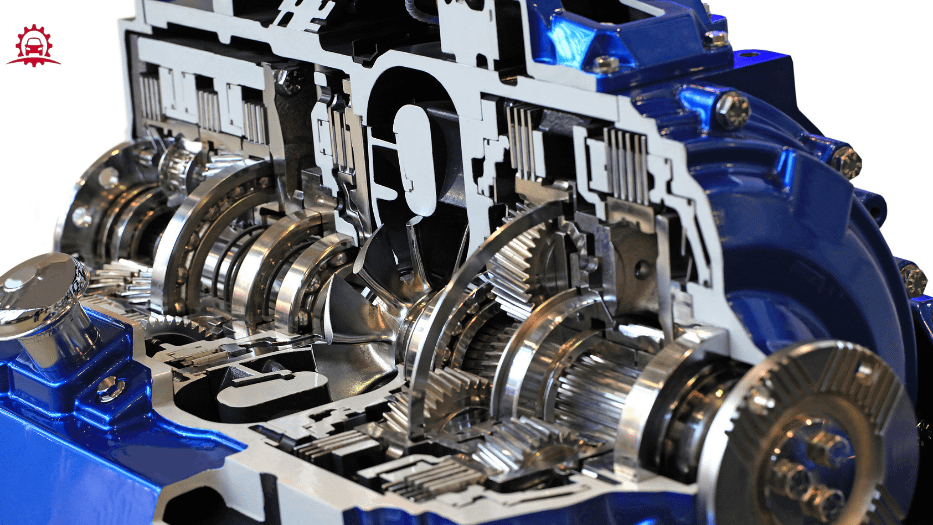
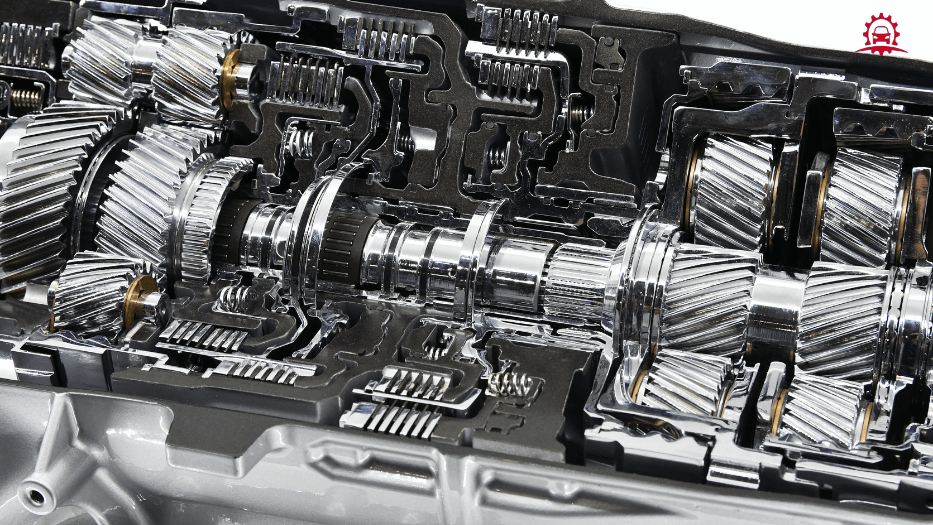
A refurbished transmission is a used transmission that has been meticulously disassembled, inspected, repaired, and reassembled using tested parts.
Unlike basic used gear removed from a salvage car, refurbished transmissions go through a rigorous restoration procedure that corrects wear, replaces weak spots, and ensures proper performance.
This process usually includes:
- Complete deconstruction and cleaning.
- Replace worn clutches, seals, and bearings.
- Inspect gears, shafts, and housings.
- Precision reassembly and testing.
The goal is to provide a transmission that works reliably under real-world driving conditions.
When combined with a properly rebuilt engine, it creates a solid basis for long-term vehicle performance.
Why Choose a Refurbished Transmission Over New?
Cost Savings Without Compromise
One of the most significant advantages of a refurbished transmission is affordability.
New transmissions can be prohibitively expensive, particularly in newer automobiles with complex drivetrain technology.
Refurbished choices are frequently substantially less expensive while still providing dependable service.
This cost reduction is extremely beneficial for vehicle owners who are attempting to stay under budget, as well as corporations that manage many vehicles.
Proven Reliability
A fully restored unit is not based on speculation. Each reconditioned transmission is thoroughly inspected by expert technicians who are familiar with the common failure points.
Those weaknesses are repaired before the transmission reaches the customer.
When combined with a compatible remanufactured engine, the result is a balanced, tested powertrain that is ready to go.
How Refurbished Transmission Solutions Support Sustainability
Choosing a refurbished transmission is not only cost-effective; it is also environmentally friendly.
Powertrain salvage reduces waste by recycling valuable components rather than disposing of them in landfills.
Refurbishing also minimizes the amount of raw materials and energy required to make brand-new parts. Drivers who pick reconditioned vehicles make a practical and environmentally responsible choice without losing quality.
Refurbished Transmission vs. Rebuilt: What’s the Difference?
This is a typical question, and the terms are frequently confused.
Refurbished Transmission
- Focuses on restoring functioning.
- Worn or broken parts are replaced.
- Original parts are reused when they match the criteria.
Rebuilt Transmission
- Frequently includes improvements or design adjustments.
- All wearable components were replaced.
- Typically cost more than refurbished.
For many drivers, a reconditioning transmission provides the ideal blend of performance and affordability—especially when purchased from a reputable powertrain salvage provider.
Signs You May Need a Refurbished Transmission
Knowing when to replace your transmission might help you avoid costly problems in the future. Common warning indicators are:
- Slipping gears
- Grinding or shaking when shifting.
- Delayed response when accelerating.
- Transmission fluid leaks.
- Warning lights on the dashboard
When these problems arise, replacing the unit with a reconditioning transmission is generally less expensive than making multiple repairs.
If the engine is also getting old, switching to a rebuilt engine at the same time can improve total drivetrain reliability.
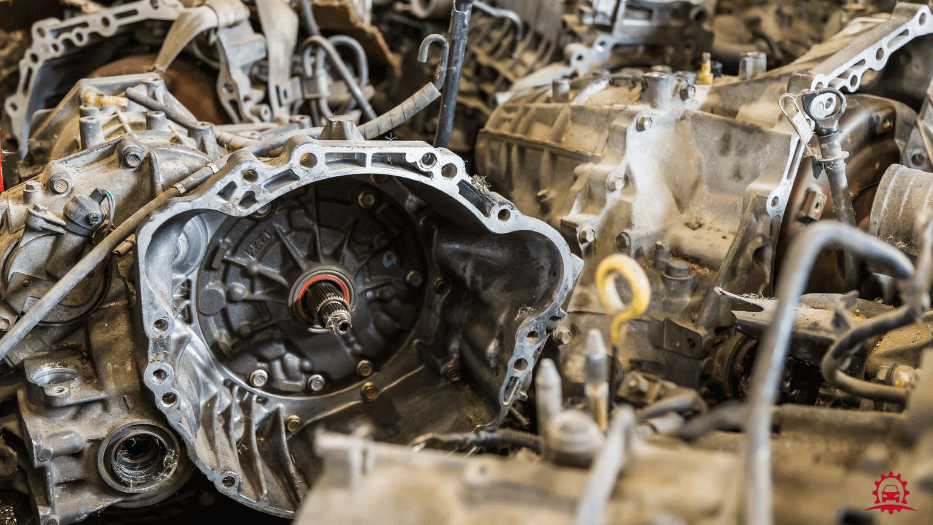
How a Refurbished Engine Complements Transmission Performance
Your transmission works in tandem with the engine, not on its own. Pairing a refurbished transmission with a refurbished engine ensures that both components work at comparable levels.
The following combination offers:
- Better power delivery.
- Reduced stress on drivetrain components.
- Increased fuel efficiency
- Longer vehicle lifespan.
Many powertrain salvage specialists recommend replacing both units at the same time, particularly for vehicles with high mileage.
Choosing the Right Refurbished Transmission Supplier
Not all refurbished parts are made the same. The quality of your refurbished transmission is greatly dependent on who refurbishes it. Look for providers that provide:
- Detailed inspection and testing procedures.
- Clear part history and compatibility tests.
- Warranty coverage provides piece of mind.
- Technical help and installation instructions
A trustworthy source will stand behind their refurbished items and assist you in selecting the best solution for your vehicle.
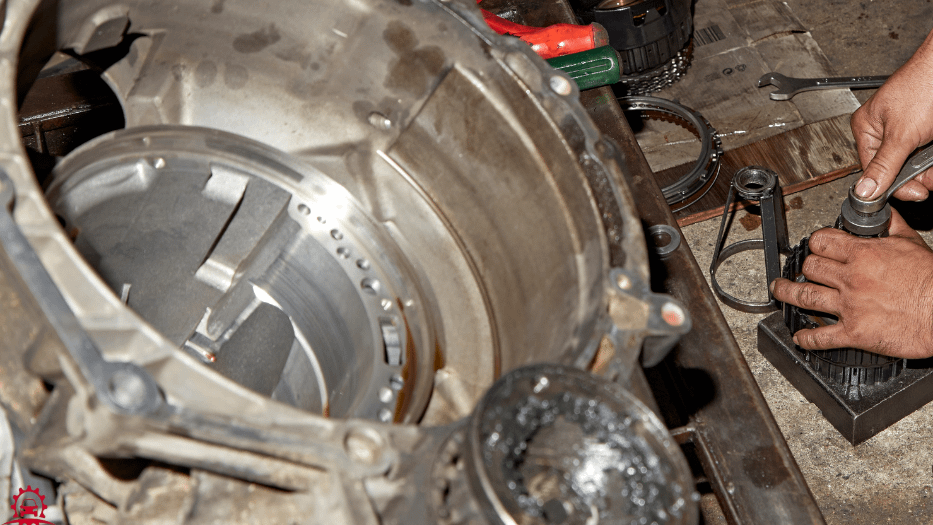
Installation and Maintenance Tips
Even the greatest Refurbished Transmission need proper installation and care to work properly in the long run.
Installation Tips
- Use a certified technician.
- Replace the transmission fluid and filters.
- Ensure proper ECU programming, if necessary.
Maintenance Tips
- Follow the manufacturer’s fluid replacement intervals.
- Addresses leak immediately.
- Avoid aggressive driving habits.
With careful maintenance, a refurbished unit can provide years of dependable operation, particularly when paired with a well-maintained reconditioned engine.
Is a Refurbished Transmission Right for You?
Many drivers say yes. A refurbished transmission is an excellent choice if you want consistent performance, lower prices, and an ecologically friendly option.
Whether you’re rebuilding an older car, managing a fleet, or simply seeking a better option than new parts, remanufactured powertrain components offer considerable value without sacrificing quality.
Why Powertrain Salvage Matters to Repair Shops
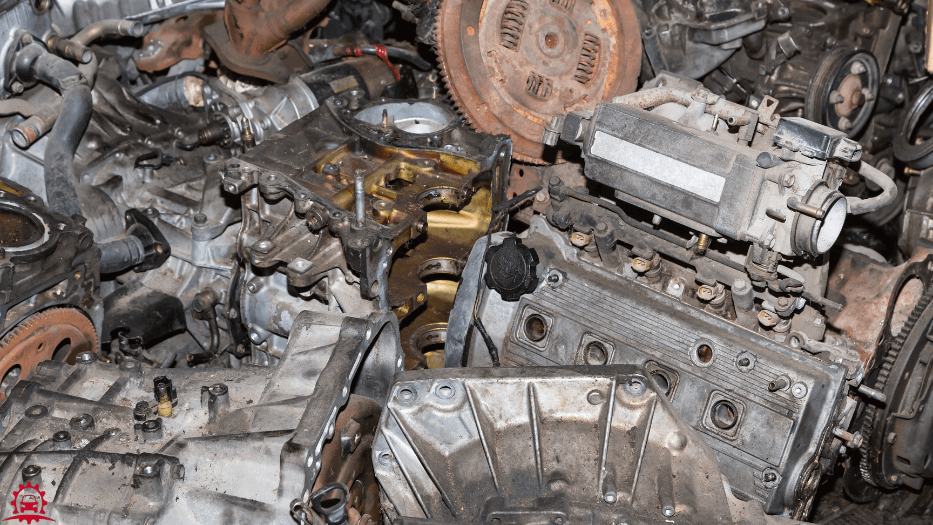
Powertrain salvage providers are crucial to maintaining shop efficiency. Salvage-based refurbishment involves recycling and restoring components.
- Keeps parts easily available.
- Reduces vehicle downtime.
- Promotes ecologically responsible repairs.
A properly supplied Refurbished Transmission allows businesses to remain competitive while providing results that customers can feel on the road.
Frequently Asked Questions (FAQ)
1. What is a refurbished transmission?
A Refurbished Transmission is a used transmission that has been disassembled, inspected, repaired, and restored to proper working condition using tested components
2. How long does a refurbished transmission last?
With proper installation and maintenance, a Refurbished Transmission can last many years, often comparable to new or rebuilt units.
3. Is a refurbished engine reliable?
Yes, a refurbished engine is inspected and repaired to meet operational standards, making it a dependable option when sourced from a trusted provider.
4. Does a refurbished transmission come with a warranty?
Most reputable powertrain salvage suppliers offer warranty coverage on a Refurbished Transmission, though terms may vary.
5. Can I replace my engine and transmission at the same time?
Absolutely. Replacing both with a Refurbished Transmission and refurbished engine ensures balanced performance and reduces future drivetrain issues.