When a car has serious mechanical faults, replacing drivetrain components can be costly. Fortunately, recycled drivetrains offer a practical and affordable option.
Instead of buying brand-new parts, car owners can reuse decent drivetrain components from other vehicles.
But there’s a better, more environmentally friendly solution: recycled drivetrain components from a reputable vehicle recycling company like Powertrain Salvage.
Recycled drivetrains are gaining popularity among mechanics and automobile owners because they save repair costs while also promoting ecologically proper automotive practices.
What Is a Recycled Drivetrain?
A drivetrain is a collection of components that transfer power from the engine to the wheels, allowing a vehicle to move.
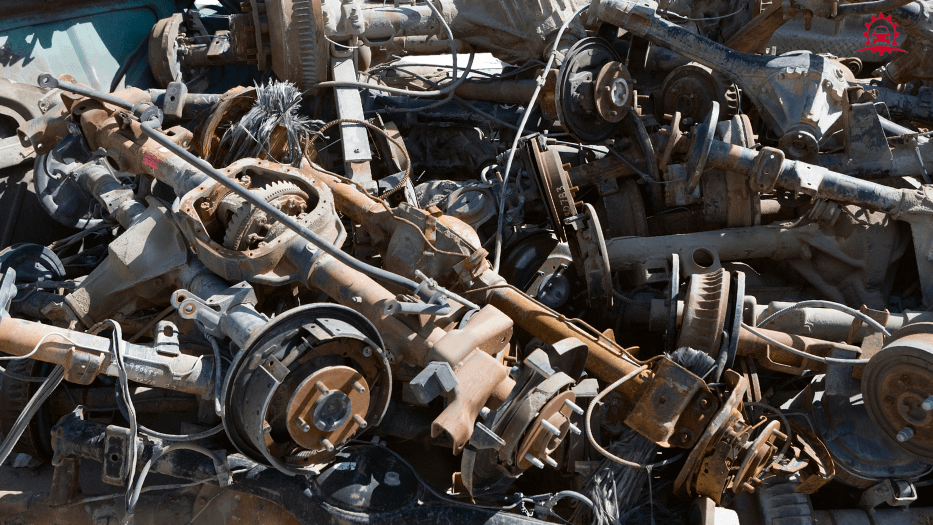
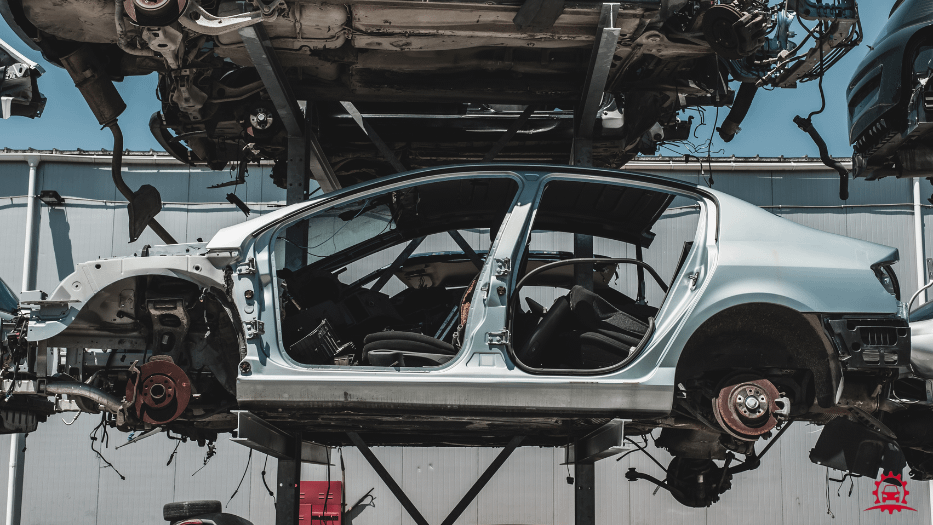
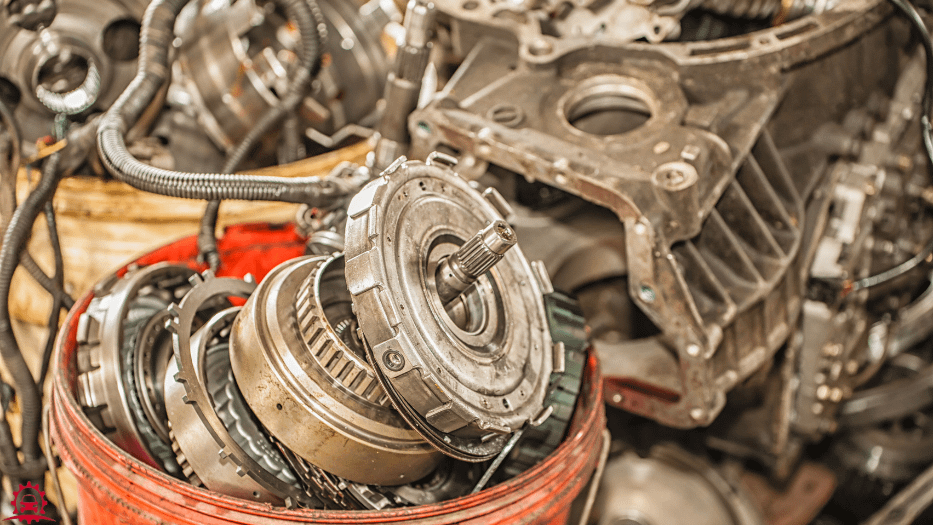
A recycled powertrain is made up of drivetrain components salvaged from dismantled or wrecked automobiles that still have working mechanical parts.
These components often include:
- Transmission
- Driveshaft
- Differential
- Axles
- Transfer case (for AWD or 4WD vehicles)
Auto recyclers meticulously remove, check, and catalog these components so that they can be reused in other vehicles.
Benefits of Choosing a Recycled Drivetrain
1. Significant Cost Savings 💰
Replacing drivetrain components with brand-new ones can be extremely costly. Recycled drivetrain parts are generally 40% to 70% less expensive than new components.
This makes them an excellent option for vehicle owners who wish to restore their automobiles without going overboard.
2. Environmentally Friendly Solution
Manufacturing drivetrain components takes a significant amount of raw materials and industrial energy. Choosing recycled parts helps to lessen the environmental impact of car manufacture.
Recycling drivetrain components helps:
- Reduce landfill waste
- Conserve natural resources
- Lower carbon emissions from manufacturing
This supports a more sustainable automotive industry.
3. Reliable Performance
Many recycled drivetrain parts are from vehicles that were discarded due to accidents, rather than mechanical failure. As a result, these components may still be in perfect operating order.
Professional vehicle recyclers inspect and test these parts before resale to guarantee they meet quality standards.
By choosing to recycle your engine, you’re directly contributing to environmental preservation.
4. Faster Repairs
Ordering replacement drivetrain components from manufacturers can take several weeks.
Recycled drivetrain parts are typically accessible immediately from vehicle recycling facilities, allowing mechanics to finish repairs more quickly.
Components of a Recycled Drivetrain
Understanding the primary drivetrain components can assist car owners in making more informed maintenance decisions.
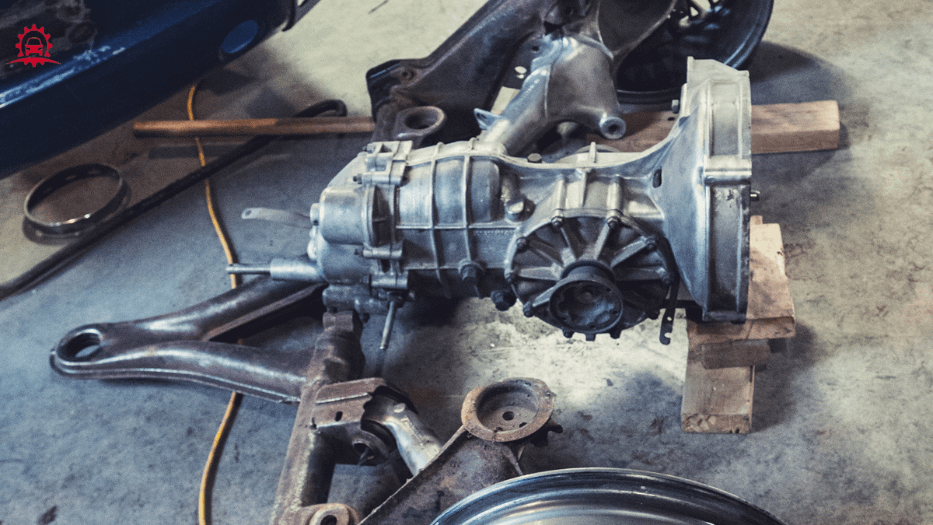
Transmission
Transfers power from the engine and controls the vehicle’s speed.
Driveshaft
Connects the transmission to the differential and delivers power to the wheels.
Axles
Support the vehicle’s weight and rotate the wheels.
Differential
Allows wheels to rotate at different speeds, especially when turning.
Transfer Case
Used in all-wheel-drive and four-wheel-drive vehicles to distribute power between front and rear wheels.
Recycled versions of these components can deliver high performance at a cheaper cost.
How Recycled Drivetrain Parts Are Tested
Professional auto recycling facilities follow several steps to ensure quality:
- Visually assess for damage or wear
- Cleaning and removal of debris.
- Testing mechanical functionality
- Mileage verification for donor vehicles
- Proper labeling and categorizing
These processes help ensure that recycled drivetrain parts are safe and reliable for reuse.
Recycled vs Rebuilt vs New Drivetrain Parts
| Type | Description | Cost |
|---|---|---|
| Recycled Drivetrain | Used parts removed from other vehicles | Lowest |
| Rebuilt Drivetrain | Components repaired and rebuilt with new parts | Medium |
| New Drivetrain | Brand-new components from the manufacturer | Highest |
For many drivers, recycled drivetrain parts offer the best balance between affordability and performance.
Tips for Buying Recycled Drivetrain Components
Before purchasing recycled drivetrain parts, consider these tips:
- Confirm compatibility with your vehicle model
- Check the mileage of the donor vehicle
- Ask for inspection reports
- Buy from reputable auto recyclers
- Look for warranty coverage
Working with experienced mechanics and trusted suppliers can ensure the best results.
This technique guarantees that recycled engines operate reliably and securely.
The Role of Drivetrain Recycling in Sustainable Automotive Practices
Every year, millions of automobiles reach the end of their useful lives. However, many mechanical components are still serviceable.
Recycling drivetrain parts extends their life cycle and minimizes the requirement for new manufacturing.
This method contributes to the circular economy, in which materials and parts are reused rather than discarded.
Recycled vs. Remanufactured vs. New Engines
Understanding the difference helps you make the right decision.
Recycled Engine
A recycled engine is an old engine that has been inspected and tested, usually with minor repairs. It offers:
- Lower cost
- OEM compatibility
- Reduced environmental impact
Remanufactured Engine
A remanufactured engine is thoroughly disassembled and rebuilt to match the original manufacturer specs. It is more expensive than a recycled engine but less than a new one.
New Engine
A brand-new engine is manufactured using new materials.
While it has the longest lifespan, it is the most expensive and has the most environmental impact due to manufacturing requirements.
For many drivers, recycling offers the best blend of cost, sustainability, and dependability.
Frequently Asked Questions (FAQs)
1. What is included in a drivetrain?
A drivetrain includes components such as the transmission, driveshaft, differential, axles, and transfer case, which work together to move the vehicle.
2. Are recycled drivetrain parts reliable?
Yes. When sourced from reputable auto recyclers and properly inspected, recycled drivetrain components can provide reliable long-term performance.
3. How much money can I save with recycled drivetrain parts?
Vehicle owners can often save 40% to 70% compared to new drivetrain components.
4. Do recycled drivetrain parts come with a warranty?
Many auto recycling companies offer limited warranties, depending on the type of part and supplier.
5. Is using recycled drivetrain parts environmentally friendly?
Yes. Recycling drivetrain components reduces waste, conserves resources, and lowers the environmental impact of producing new automotive parts.
Conclusion
A recycled drivetrain is a cost-effective and environmentally responsible solution for vehicle repairs.
By reusing drivetrain components from other vehicles, drivers can reduce repair costs while helping conserve valuable resources.
With proper inspection, installation, and maintenance, recycled drivetrain components can deliver dependable performance and extend the life of your vehicle.