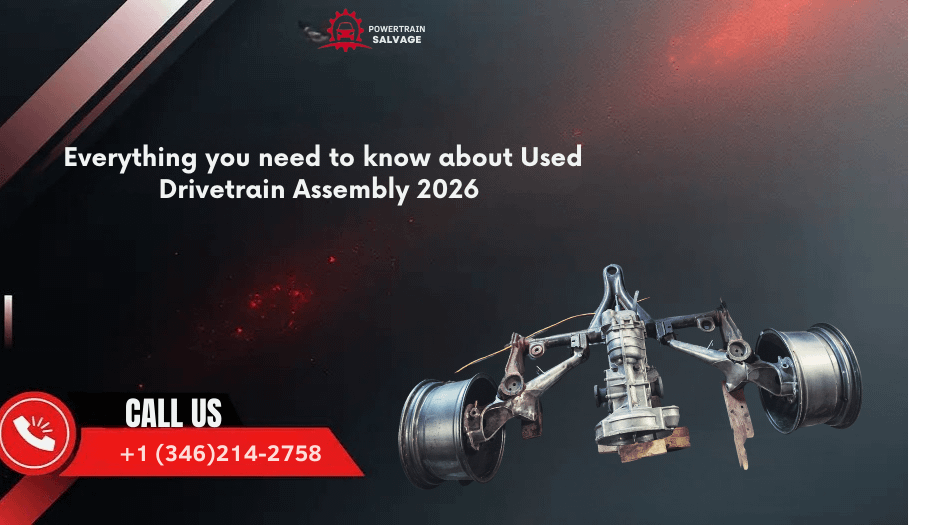
When it comes to repairing or replacing your vehicle’s powertrain, purchasing a used drivetrain assembly might be a wise and cost-effective solution.
When opposed to acquiring new components, choosing a reliable, economical, and high-quality used drivetrain can save you a significant amount of money.
These parts, often taken from vehicles with low mileage or minimal wear, provide long-lasting, dependable performance without the high cost of brand-new parts.
When your car has a faulty transmission, a broken differential, a torn transfer case, or significant problems with the driveshaft, replacing each component separately can get costly quickly.
This is the reason why numerous vehicle owners, repair shops, and rebuilders seek a used drivetrain assembly from a reliable powertrain salvage dealer.
Why Choose a Used Drivetrain Assembly?
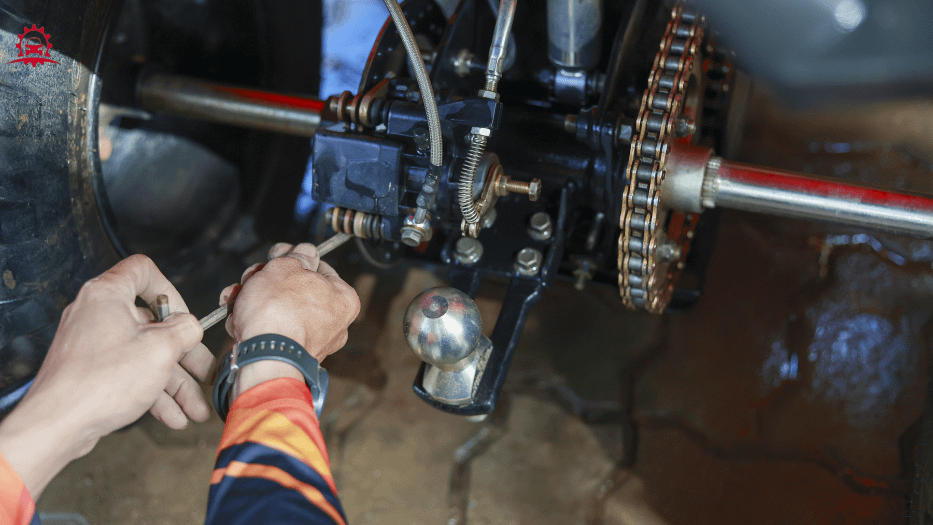
One of the major advantages of purchasing a used drivetrain component is its affordability.
You may receive a smooth, efficient repair for your vehicle without having to pay the high price of new parts.
With the proper inspection and testing, you can locate a sturdy assembly that matches your vehicle’s performance requirements.
These assemblies are also environmentally friendly, as reusing parts reduces the need for new manufacturing.
Choosing high-quality, trustworthy salvage parts helps to create a more sustainable future.
However, it is crucial to remember that not all used parts are made equal. Some old drivetrain assemblies may have hidden flaws, such as faulty seals or malfunctioning parts.
This is why it is critical to buy from a reputable provider who provides full inspection reports and warranties to support their products.
Without thorough inspection, you may end up with defective parts, which could result in additional repair expenditures and disappointments down the road.
What Is a Used Drivetrain Assembly?
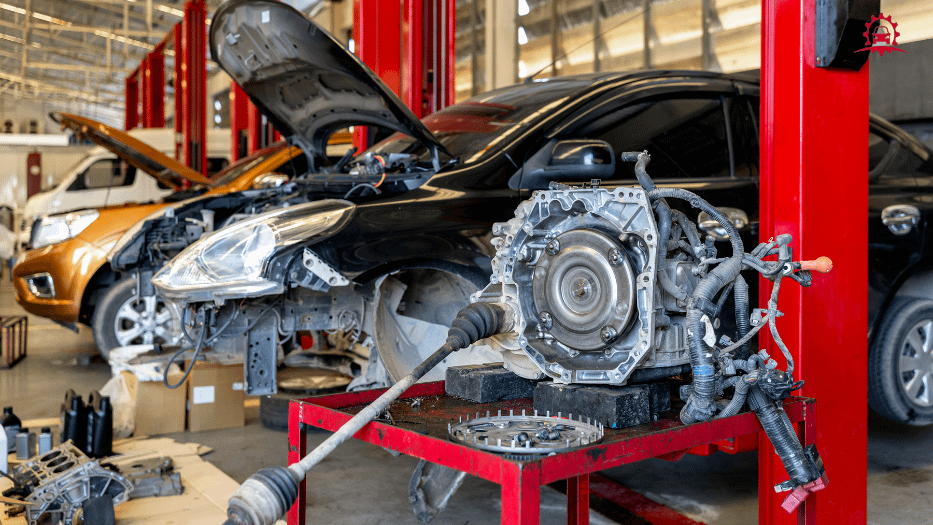
A used drivetrain is a whole or partial set of components that transmit the engine power to the wheels.
It is pulled off a donor car and is resold in salvage yards, recyclers, or specialty powertrain dealers.
Depending on the type of vehicle and listing, a drivetrain assembly can consist of:
- Transmission or transaxle
- Driveshaft Differential (front and/or rear)
- Transfer case (AWD/4WD)
- Axles/CV shafts
- Related mounts, sensors, and linkage (sometimes included)
Drivetrain assembly and powertrain assembly are terms that are used interchangeably by some sellers, but these terms are not always interchangeable.
A powertrain typically consists of the engine, whereas a drivetrain typically consists of the parts that transfer the power of the engine to the wheels. Always make sure of what is in the listing.
Why Buyers Choose a Used Drivetrain Assembly from Powertrain Salvage
There are several reasons the demand for used drivetrain assemblies continues to grow.
1. Cost Savings
Purchasing new OEM powertrain components can be prohibitively expensive, particularly for trucks, SUVs, premium vehicles, and AWD systems.
A used drivetrain assembly from a salvage source might be much less expensive while still providing dependable performance when properly inspected and certified.
2. Better Part Matching
When drivetrain parts are obtained as a whole matched set from the same donor car, there is less risk of compatibility concerns.
Gear ratios, spline counts, mounting locations, and electronic connections are more likely to match when combining parts from diverse suppliers.
3. Faster Repairs
Because assembly cuts down on sourcing time, repair shops frequently favor them.
They may install a fully used powertrain assembly and get the customer back on the road sooner rather than searching for a transmission, driveshaft, and differential.
4. Sustainable and Eco-Friendly
Powertrain salvage promotes automobile recycling. Reusing functioning components reduces waste, lessens the need for new manufacturing, and keeps usable parts out of landfills.
Common Vehicles That Need Used Drivetrain Assemblies
Used drivetrain assemblies are frequently required for:
- Pickups with towing-related wear
- SUVs with AWD/4WD drivetrain damage.
- Commercial vans with significant mileage.
- Fleet vehicles require cost-effective repairs.
- Performance cars have high replacement costs.
- Insurance repair work following crash damage.
In many collisions, drivetrain components might be damaged even if the engine is still functional. Salvage assemblies offer a sensible solution, particularly when the vehicle’s worth does not justify brand-new OEM parts.
What to Check Before Buying a Used Drivetrain Assembly
Not all salvaged pieces are the same. If you want a dependable used drivetrain component, inspection and verification are critical.
1. VIN Compatibility
When seeking a quote, always supply the whole VIN. The VIN helps to confirm:
- Correct transmission type
- Drivetrain configuration (FWD, RWD, AWD, or 4WD)
- Gear Ratio
- Engine pairing
- Model Year Compatibility
- Electronic module compatibility (where applicable)
Even the same model might have several drivetrain configurations based on trim options.
2. Mileage of the Donor Vehicle
Mileage is one of the most important indications of predicted longevity.
Lower mileage assemblies are often desired, but mileage should not be the sole consideration.
A well-kept 90,000-mile unit may outperform a badly maintained 50,000-mile one.
3. Damage History
Mileage is one of the most important indications of predicted longevity.
Lower mileage assemblies are often desired, but mileage should not be the sole consideration.
A well-kept 90,000-mile unit may outperform a badly maintained 50,000-mile one.
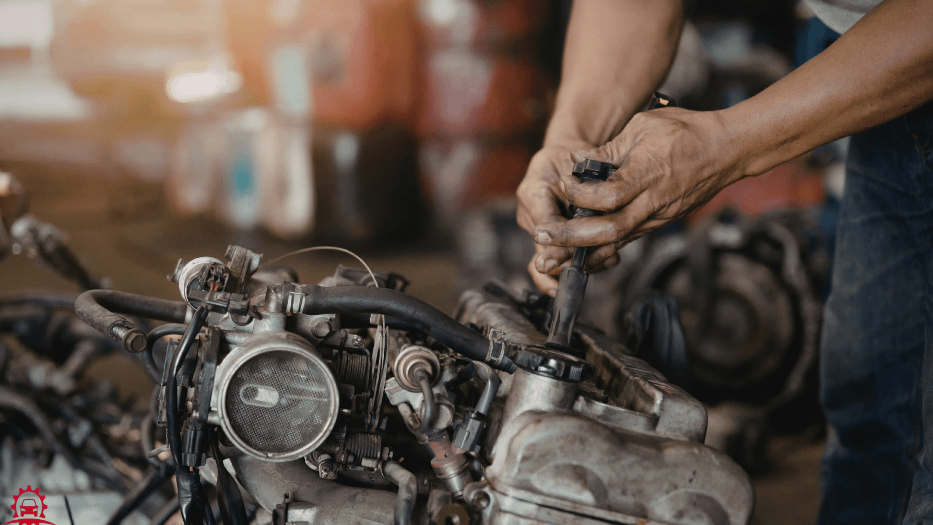
4. Testing and Inspection Process
Before purchasing a used drivetrain assembly, inquire whether the vendor performs:
- Visual inspection for cracks and leaks.
- Fluid checks
- Rotation tests
- Compression of related components (when applicable)
- Road test or bench test (based on inventory process)
- The more open the inspection procedure, the better.
5. Warranty Coverage
Always ask about the warranty terms. Salvage warranties typically run from 30 days to 6 months, with certain providers offering extended options. Make certain you understand:
- Parts-only versus parts-and-labor coverage.
- Return window
- Installation requirements: expert installation, fluid change, seal replacement.
- Exclusions for electronics or sensors
Used Drivetrain Assembly vs Individual Component Replacement
Many customers wonder whether to repair a single faulty component or purchase an entire used drivetrain assembly. The response is contingent on the situation.
When an Assembly Is the Better Choice
A complete used drivetrain assembly is often better when:
- Several components are worn or damaged.
- You want matched components from a single donor.
- Repair time should be minimized.
- The vehicle is old and cost-sensitive.
- The current powertrain has an unknown history.
When Individual Parts May Be Enough
Buying separate parts may work when:
- Just one component has failed.
- You already have decent, matched parts.
- You are creating a custom build.
- The fix is precisely targeted and confirmed.
Assembly is frequently the simplest and most practical solution for most everyday automobiles and service facilities.
Tips to Choose the Right Powertrain Salvage Supplier
If your blog is for a powertrain salvage company, trust is your main selling factor. Buyers want to feel confident before spending money on crucial components.
Here’s what buyers should look for in a supplier:
1. Clear Inventory Listings
A professional salvage supplier should list:
- Year, make, model
- Engine and transmission type
- Mileage
- Drivetrain configuration
- Stock number
- Warranty details
- What is included/not included
Clear listings reduce confusion and returns.
2. VIN-Based Support
Good suppliers do more than just offer parts; they also verify fitting. VIN matching is an important value-add for buyers.
3. Quality Control Standards
Suppliers that inspect, tag, clean, and test assemblies increase buyer trust. If the company has a regular procedure, promote it on your website.
4. Shipping and Packaging
Used drivetrain assemblies are both heavy and precious. Proper palletizing, packaging, and protection are important.
Damage caused during delivery can damage a good part.
5. Customer Service and Technical Help
Buyers frequently need assistance with exchange, sensors, or setup details. An educated crew can mean the difference between a one-time sale and a returning customer.
Installation Best Practices for a Used Drivetrain Assembly
Even high-quality used drivetrain assemblies might fail prematurely if installed incorrectly. Professional installation is highly advised.
Important installation steps include:
- Replace worn seals and gaskets before installation.
- Flush or replace fluids
- Inspect cooling lines (especially transmission coolers)
- Verify mounts and bushings
- Check wiring and connectors
- Confirm gear ratio compatibility
- Program/relearn modules if needed (modern vehicles)
- Road test after installation
Many salvage warranties need confirmation of proper installation and fluid service, so save your invoices and documentation.
Why “Used Drivetrain Assembly” Is a Smart Choice
A used drivetrain assembly is one of the most practical options on the powertrain salvage market.
It strikes a compromise between affordability, availability, and convenience—particularly for older vehicles, work trucks, and cost-effective repairs.
When purchased from a reputable powertrain salvage supplier, a secondhand drivetrain unit can provide excellent value and consistent performance.
The trick is to select a seller who offers precise fitment support, transparent condition information, and warranty protection.
Whether you are a car owner replacing a failing system or a repair company seeking a quick turnaround, purchasing a secondhand drivetrain component can save time and money and simplify the repair process.
If you own a powertrain salvage business, this is an excellent product area to promote. Customers purchase a full solution rather than individual elements.
Stand out in a competitive market by making your listings clear, providing VIN verification, and emphasizing your quality approach.
1. What is included in a used drivetrain assembly?
A used drivetrain assembly usually includes the transmission, driveshaft, differential, and sometimes the transfer case, axles, and related components. Always confirm the exact included parts before buying.
2. Is a used drivetrain assembly reliable?
Yes, a used drivetrain assembly can be reliable if it comes from a reputable powertrain salvage supplier that inspects, tests, and verifies compatibility. Mileage, donor vehicle condition, and warranty are important factors.
3. How do I know if a used drivetrain assembly will fit my vehicle?
The best way is to provide your vehicle VIN to the seller. VIN matching helps confirm transmission type, drivetrain configuration, gear ratio, and model-year compatibility.
4. Is it cheaper to buy a used drivetrain assembly than separate parts?
In many cases, yes. Buying a complete used drivetrain assembly is often more cost-effective than sourcing multiple individual parts, especially when several components need replacement.
5. Should I replace seals and fluids when installing a used drivetrain assembly?
Yes. Replacing seals, gaskets, and fluids during installation is highly recommended. It helps prevent leaks, improves performance, and may be required for warranty coverage.
6. Does a used drivetrain assembly come with a warranty?
Most professional salvage suppliers offer a warranty, but coverage varies. Always ask about parts-only vs parts-and-labor coverage, return terms, and installation requirements.
A used drivetrain component is a fantastic option for repairing or upgrading your vehicle’s powertrain without breaking the bank. As long as the parts are in good condition, fully tested, and compatible with your vehicle, it can be a more cost-effective alternative to expensive repairs. Simply be cautious of defective and problematic parts that may be sold without sufficient inspection. With the appropriate trusted source, you may get a cost-effective, efficient, and dependable solution for your vehicle’s drivetrain requirements.